A Gunite pool is a layered system of components that each serve a distinct function and age at their own rate. Some are structural and built to last for generations. Others are finish materials that require periodic renewal as a normal part of the pool’s lifecycle. And a few, if neglected long enough, can transition from a surface concern into something with real structural implications. For pool owners at the Jersey Shore, where coastal conditions put continuous stress on pool components in ways that inland pools simply do not experience, understanding what each part does and when it needs attention is particularly valuable knowledge.
Waterline Tile
Waterline tile runs along the perimeter of the pool at the water’s surface, serving both a protective and aesthetic function. It creates a cleanable border that shields the shell from the concentrated chemical and biological activity that occurs at the waterline, and it contributes meaningfully to the overall visual character of the pool.
Quality tile in a well-maintained pool can last anywhere from 10 to 25 years, but Jersey Shore pools face conditions that put specific stress on waterline tile over time. Salt air affects grout and tile surfaces in ways that freshwater inland pools do not experience. The mineral content of the water and the chemical demands of managing pool chemistry in a coastal environment contribute to calcium scaling along the waterline that, while often addressable through cleaning rather than replacement, can accelerate tile deterioration if left unmanaged. UV exposure during peak Shore summers also affects tile and grout appearance over time.
Cracked, loose, or missing tiles should be addressed promptly rather than carried into the next season. Water that infiltrates behind compromised tile can reach the shell beneath it and cause damage that extends well beyond the original point of failure.
Coping
Coping caps the top edge of the pool wall, forming the finished transition between the pool structure and the surrounding deck. It takes physical wear from swimmers, furniture, and equipment while also expanding and contracting through the temperature swings of a Jersey Shore year. At the Shore, where properties often host significant entertaining activity during peak summer weekends, coping takes more physical contact than it does at a typical residential pool.
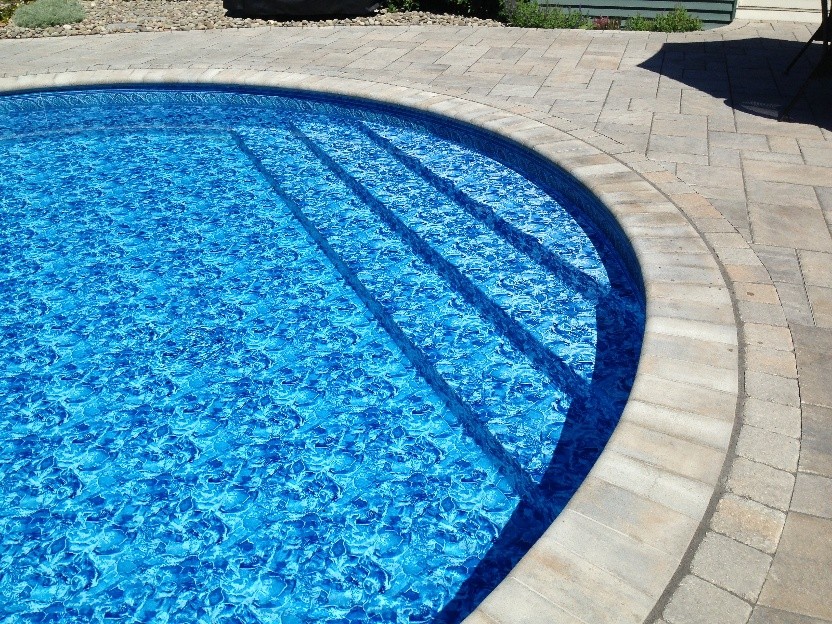
Concrete and brick coping typically holds up for 20 to 30 years before requiring significant attention. Natural stone and paver coping, which suits the aesthetic of many Shore properties, can last longer with appropriate care, sealing, and attention to drainage. The warning signs that coping has reached the end of its useful life include cracking, sections that have lifted or shifted, and gaps that have opened between individual pieces.
The structural implication of damaged coping is worth understanding clearly. Gaps and cracks in coping allow water to reach the bond beam beneath it, and at the Shore, where pools deal with more moisture and humidity than inland pools, that infiltration creates conditions for deterioration that can progress more quickly than it would in a drier environment. Addressing coping issues promptly protects not just the appearance of the pool but the integrity of the components beneath it.
Interior Plaster and Finish
The interior surface is what swimmers interact with directly and what most visibly communicates the overall condition of the pool. Standard white plaster has a typical useful life of 7 to 12 years under normal conditions, but Jersey Shore pools often see that timeline influenced by the particular demands of a coastal environment. UV exposure, salt air, heavy bather loads during peak summer weekends, and the chemical requirements of managing water balance in a coastal setting all put real wear on interior surfaces over time.
The signs that resurfacing is due are generally clear when they appear: texture that has become rough or abrasive underfoot, persistent staining that does not respond to chemical treatment, visible etching or pitting across the surface, and in more advanced cases areas where the plaster has begun to separate from the shell beneath it.
Premium finishes, quartz and pebble aggregate in particular, hold up meaningfully better through the demands of a Shore season than standard plaster does. Their typical lifespan of 15 to 20 years before resurfacing is needed, combined with better resistance to the staining and surface deterioration that coastal pool conditions can accelerate, makes them a worthwhile investment for Shore pool owners thinking about long-term performance and value.
The Bond Beam
The bond beam is the reinforced concrete band that runs around the upper perimeter of the pool shell, tying the walls together structurally and providing the foundation on which the coping sits. It plays a critical structural role that most pool owners are not aware of until something goes wrong, which is precisely when you do not want to be learning about it for the first time.
At the Jersey Shore, the bond beam deserves particular attention because of the moisture-rich coastal environment it operates in. Humidity, salt air, and the water infiltration that can occur through damaged coping or tile all create conditions that accelerate deterioration at the bond beam level over time. Cracks in the bond beam allow moisture to penetrate deep into the pool structure, where it can compromise the integrity of the shell in ways that are difficult and expensive to remediate once they have progressed significantly.
Bond beam problems rarely announce themselves directly. They more commonly appear indirectly through coping that cracks or shifts repeatedly in the same area, tile that comes loose despite being reset, or gaps that reopen shortly after being filled. A pattern of recurring problems localized to a specific section of the pool is a signal that the bond beam beneath it warrants professional assessment rather than continued surface level repair.
Looking at Everything Together
Individual components rarely reach the end of their useful life simultaneously, but renovation projects create a natural opportunity to assess everything together and address multiple elements within a single scope of work. At the Jersey Shore, where the coastal environment puts pressure on multiple components at once, that comprehensive approach has particular value. Renewing the interior surface, tile, and coping in one project produces a more cohesive and consistent finished result than addressing each separately across different seasons, and it is generally more efficient in terms of both time and overall cost.
Gorlin Pools works with pool owners throughout the Jersey Shore area on everything from targeted component replacements to comprehensive renovation projects. If your pool is showing signs of wear and you are not sure what it means or what it will take to address it, reach out today and we will take a thorough look.