Warning Signs of Structural Damage in Older Pools: What Every Pool Owner Should Watch For as Pools Age
Owning an older pool can be incredibly rewarding, but age, environmental stress, and years of use can quietly compromise its structure. Over time, small issues beneath the surface can grow into costly repairs if they are not identified early. As a company that has cared for pools and spas across New Jersey since 1999, we have seen firsthand how early awareness and proactive care protect both safety and long-term value.
Older pools are especially vulnerable to gradual wear caused by shifting soil, freeze-thaw cycles, water chemistry imbalance, and outdated construction methods. Recognizing early warning signs allows homeowners and property managers to take action before damage escalates.
How Structural Issues Develop in Aging Pools
Structural damage rarely happens overnight. Most problems begin subtly and worsen over time as pressure builds behind pool walls, plumbing lines deteriorate, or materials weaken. Pools built decades ago may not meet today’s standards for reinforcement, waterproofing, or drainage, making routine evaluation even more important.
Regular pool inspection plays a key role in identifying these early indicators and determining whether routine pool service or more involved pool remodeling is the right solution.
Cracks That Signal More Than Cosmetic Wear
When are pool cracks a real concern?
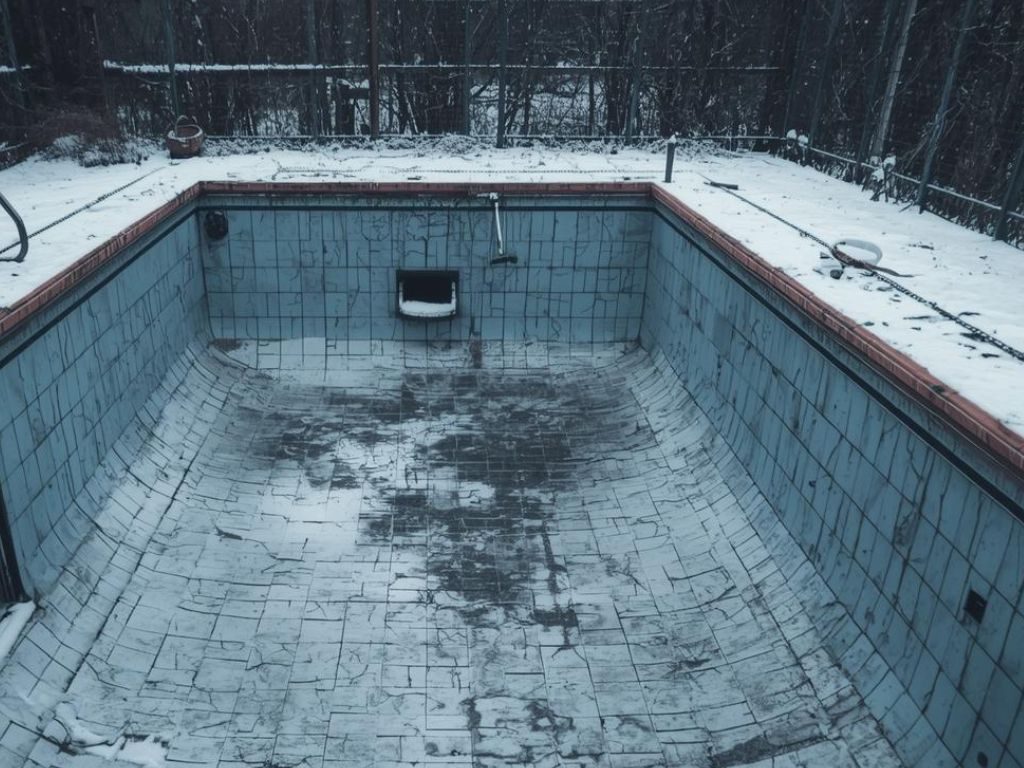
Hairline cracks in plaster or concrete can be normal as materials expand and contract. However, wider cracks, stair-step cracking, or cracks that continue to grow may indicate structural movement or foundation issues.
Signs cracks may be structural include:
-
Cracks that extend through the pool shell
-
Separation around skimmers or returns
-
Cracks paired with water loss or deck movement
Left unaddressed, these issues often lead to leaks and more extensive damage that requires professional pool repairs rather than surface patching.
Water Loss That Can’t Be Explained
Could a leak point to structural damage?
Evaporation and splash-out are normal, but consistent water loss often signals deeper problems. Undetected leaks can erode soil beneath the pool, creating voids that compromise structural integrity.
Professional pool leak detection helps pinpoint hidden failures in plumbing lines, fittings, or the shell itself. Addressing leaks early prevents surrounding concrete, decking, and structural supports from shifting or collapsing.
Aging Tile, Coping, and Deck Separation
Tile and coping do more than enhance appearance; they protect the pool’s edge and structural bond beam. Loose, cracked, or missing tiles often indicate movement beneath the surface.
Common warning signs include:
-
Coping pulling away from the pool wall
-
Cracked or uneven deck joints
-
Tile lines that no longer sit flush
These conditions often appear alongside broader structural concerns and may signal the need for pool restoration rather than isolated repairs.
Bulging Walls or Uneven Pool Floors
What causes pool walls to shift?
Bulging walls or sloping floors are serious indicators of structural stress. Soil pressure, poor drainage, or long-term water intrusion behind the shell can cause walls to bow inward or floors to settle unevenly.
When these symptoms appear, immediate evaluation is critical. In many cases, pool remodeling provides an opportunity to reinforce the structure, update materials, and restore long-term stability while improving usability and appearance.
Why Older Commercial Pools Face Higher Risk
Commercial pools experience heavier usage, stricter safety requirements, and greater chemical demand. Over time, this accelerates wear on structural components, especially in facilities like apartment complexes, health clubs, and municipal pools.
Routine commercial pool cleaning service helps maintain water quality, but structural assessments are equally important for compliance and safety. Identifying issues early reduces downtime and protects operators from unexpected closures or liability concerns.
When Maintenance Isn’t Enough Anymore
How do you know it’s time for renovation?
Consistent maintenance extends a pool’s life, but there comes a point when repairs alone are no longer cost-effective. Frequent leaks, recurring cracks, or outdated components often signal that renovation is the smarter long-term investment.
Pool restoration and renovation allow us to address structural deficiencies, upgrade finishes, and improve efficiency while preserving the pool’s original footprint. This approach is common for both residential and commercial properties throughout Monmouth, Ocean, Mercer, and Middlesex Counties.
Protecting Your Pool with Proactive Care
The most effective way to prevent major structural damage is early detection paired with consistent care. Our tailored maintenance plans, detailed inspections, and experienced technicians allow us to identify concerns before they disrupt enjoyment or safety.
We help clients understand whether they need targeted pool service, professional pool repairs, or a broader remodeling strategy based on the condition of their pool.
Frequently Asked Questions
How often should older pools be inspected for structural issues?
Older pools should receive regular visual evaluations during routine service and more detailed inspections periodically, especially before major repairs or renovations.
Are structural cracks always visible?
Not always. Some structural issues develop beneath the surface or behind walls, making professional assessment essential when water loss or movement is suspected.
Can remodeling fix structural damage?
Yes. Pool remodeling and restoration often address underlying structural problems while updating finishes, equipment, and safety features for long-term reliability.
If you suspect your pool may be showing signs of structural damage, we’re here to help. Contact Gorlin Pools & Spas to schedule an evaluation and discuss the best path forward for protecting your investment and restoring peace of mind. Visit our contact page at https://gorlinpools.com/contactus to get started.