Why Pool Inspection Standards Matter for Your Family’s Safety
Pool inspection standards help turn “it looks fine” into “it is safe.” When we follow clear pool inspection standards, we can spot issues that put swimmers at risk—often before they become emergencies. If you’re searching for pool inspection importance in New Jersey, this guide explains what standards cover, what to watch for, and how to plan your next inspection with confidence.
What Are Pool Inspection Standards, and Why Do They Exist?
Pool inspection standards are a set of safety and performance checkpoints used to evaluate a pool’s structure, equipment, and protective barriers. They exist to reduce preventable injuries, keep water systems running reliably, and confirm the pool meets common safety expectations for homes, rentals, and commercial properties.
In plain terms, standards create consistency. Instead of relying on guesswork, a pool safety inspection follows a repeatable process—looking at high-risk areas like gates and drains, plus everyday systems like filtration, circulation, and electrical components.
If you’re comparing options for real estate pool inspections versus routine upkeep, standards are what make an inspection more than a quick glance. They help ensure nothing critical gets missed.
Why Do Pool Inspection Standards Matter So Much for Family Pool Safety Serving Mercer County?
Pool inspection standards matter because the most dangerous hazards are often the least obvious—like a self-latching gate that no longer latches, a loose handrail, or a drain cover that’s past its service life. Following standards helps families in Mercer County and surrounding areas focus on the risks that actually cause accidents.
They also help reduce “near-miss” situations. A pool can look clean and still be unsafe due to circulation problems, electrical issues, or failing safety barriers. Pairing inspections with consistent care—like weekly pool maintenance—is one of the most practical ways to keep conditions stable throughout the season.
How Can a Pool Safety Inspection Near Mercer, Monmouth, or Ocean County, NJ Prevent Accidents?
A pool safety inspection near Lakehurst, NJ can prevent accidents by verifying barriers, entry points, and key equipment are working as intended. It also helps identify wear, damage, or outdated components that may not be obvious day to day. When issues are found early, repairs are typically simpler and less disruptive.
From a family-safety standpoint, the inspection is often about layers of protection. If one layer fails (for example, supervision slips for a moment), the next layers—like a secure gate, clear water visibility, and safe steps/handholds—still reduce risk.
When we’re called to evaluate a pool as part of a property transaction, our pool inspection services for real estate focus on practical safety concerns that buyers, sellers, and real estate professionals want clearly documented.
What Does a Professional Pool Inspection Typically Check?
While every pool is different, most inspections guided by pool inspection standards focus on a few core categories. Here are common areas that affect both safety and reliability:
- Barriers and access control (fences, gates, self-latching hardware)
- Pool structure and surfaces (cracks, coping, tile, sharp edges, trip hazards)
- Steps, ladders, and handrails (stability, corrosion, safe entry/exit)
- Circulation and filtration equipment (pump, filter condition, flow)
- Electrical and lighting (safe operation, visible damage, water proximity risks)
- Drains and suction fittings (covers, placement, visible deterioration)
- Heaters and plumbing (leaks, performance issues, signs of wear)
- Water clarity and basic water balance indicators (conditions that impact visibility and swimmer comfort)
If an inspection uncovers repair needs, it’s helpful to have a plan for next steps through preventative and emergency pool services so safety issues don’t linger through peak swim weeks.
What Problems Do Homeowners Miss Most Often Without Pool Inspection Standards?
Homeowners are attentive—but without standards, it’s easy to focus on what’s visible (like leaves or cloudy water) and miss what’s high-risk. The most overlooked issues tend to be the ones that develop slowly.
Barrier and gate failures
Gates can sag, latches can loosen, and hinges can corrode. A barrier that “usually closes” is not the same as a barrier that reliably self-closes and self-latches every time.
Drain and suction safety
Drain covers age and can crack, loosen, or become noncompliant. Even if the pool is running, the safety of suction fittings should never be assumed.
Water visibility and circulation decline
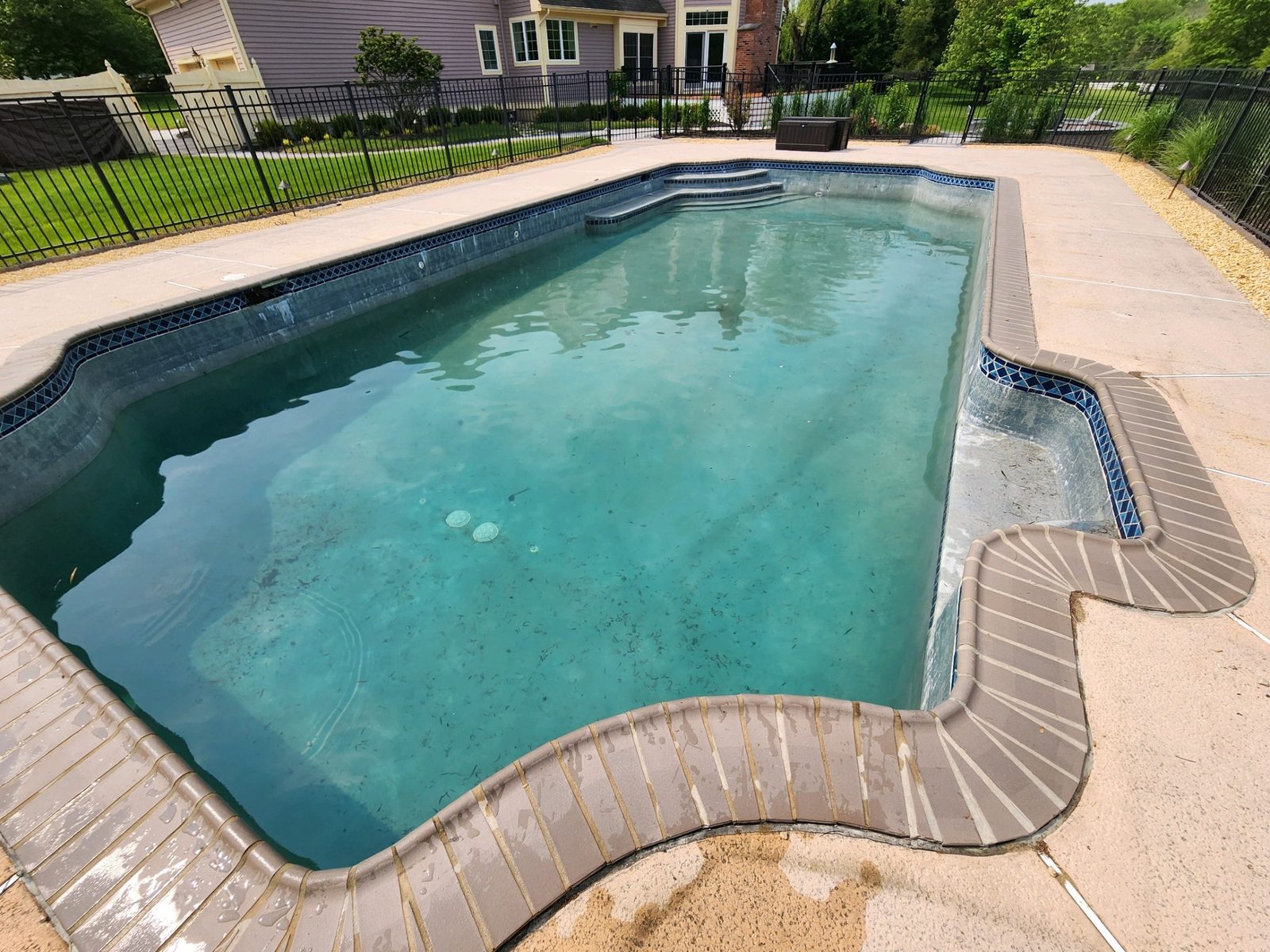
Many families think “blue” water is safe water. But water that’s not truly clear can reduce visibility at the bottom and hide hazards. Circulation problems may show up as persistent debris, dead spots, or frequent chemistry swings—often a sign to revisit routine care through professional pool and spa services.
When Should You Schedule an Inspection for Pool Inspection Importance and Peace of Mind?
Timing depends on how the pool is used, whether it’s changing ownership, and what issues you’ve seen in prior seasons. In general, inspections are most valuable when they can influence decisions—before heavy use or before a transaction deadline.
- Before the swim season starts, especially if the pool sat unused through winter
- After major storms or flooding that may shift decking or damage equipment
- Before hosting frequent guests or events (kids’ parties, family gatherings)
- During a home sale or purchase, using real estate pool inspections to document condition and safety concerns
- Any time you notice recurring problems like cloudy water, air in the lines, or unusual pump noise
If your goal is fewer surprises, pairing an inspection with a consistent service plan—such as weekly maintenance—can help keep the pool within safe operating ranges all season.
How Do Pool Inspection Standards Connect to Water Quality and Everyday Safety?
Safety is not only about fences and hardware. Water quality affects visibility, comfort, and how confidently you can supervise swimmers. Standards-driven inspections help connect equipment performance to water conditions, which is where many preventable problems start.
For example, poor circulation can make it harder to maintain steady sanitizer levels. Inconsistent chemistry can irritate skin and eyes, and cloudy water can reduce visibility. A reliable maintenance routine matters here, and a simple way to stay organized is to follow a consistent checklist like the weekly pool maintenance checklist resource.
If you want more context on how professional evaluations fit into long-term care, see why professional pool inspections matter for long-term safety, water quality, and peace of mind.
What Should You Do Before an Inspection to Get the Most Accurate Results?
A little prep helps an inspector see the pool clearly and document issues accurately. It also prevents small access problems from turning into delays.
- Clear debris from the surface if possible, and make sure the water level is normal
- Unlock gates, equipment areas, and any panels needed to access plumbing
- Share recent repair history and note recurring issues (leaks, tripped breakers, heater errors)
- List any safety concerns you already have (wobbly rails, loose pavers, gate problems)
- Confirm pets are secured so the inspection can move efficiently and safely
If you’re also trying to keep the pool stable between visits, downloading a simple routine can help. The free weekly pool care download is a practical starting point for many families.
Frequently Asked Questions About Pool Inspection Standards
Are pool inspection standards the same as local code requirements?
Not always. Pool inspection standards are a consistent set of checkpoints used to evaluate safety and performance, while local codes are legal requirements that can vary by town or county. A thorough inspection can help identify likely code concerns, but homeowners should also confirm any local permitting or compliance needs.
Do I need a pool inspection only when buying or selling a home?
No. Real estate transactions are a common reason, but inspections are also valuable before the season, after storm damage, or when a pool has recurring water or equipment issues. Many families use inspections to support ongoing maintenance decisions and prioritize repairs that impact safety first.
What’s the difference between routine maintenance and an inspection?
Maintenance focuses on keeping the pool clean and balanced week to week, while an inspection evaluates condition, safety risks, and system performance against pool inspection standards. The two work best together: maintenance helps prevent problems, and inspections help catch hidden issues that routine cleaning may not reveal.
Can an inspection help if my pool water is clear but something feels “off”?
Yes. Clear water doesn’t guarantee proper circulation, safe electrical conditions, or functioning safety barriers. An inspection can uncover early signs of equipment wear, suction issues, or plumbing leaks that haven’t yet caused cloudy water or a full breakdown.
Schedule Your Next Inspection With Safety in Mind
If you’ve been thinking about pool inspection importance for your household, an inspection guided by pool inspection standards is one of the simplest ways to reduce risk and gain clarity about what your pool needs now versus later. To explore options for professional pool inspections, ongoing weekly maintenance service, or broader pool and spa care services, reach out to our team.
Call Gorlin Pools & Spas at (732) 323-8200 or use our contact page to start the conversation and schedule the next step for your pool.